How to Sell Instruments Online and Build a Real Music Business
Over the years I have bought and sold dozens of guitars, pedals, and microphones through various channels. Some deals went smoothly. Others turned into headaches involving lost packages, chargeback threats, or buyers who seemed to vanish after the sale. The difference between a good experience and a bad one usually came down to how well I understood the platform I was using and how seriously I treated the process. If you want to sell instruments online in a way that builds trust and repeat business, you need more than good photos and a fair price. You need a strategy that fits the tools you choose and the audience you are trying to reach.
Picking the Right Place to List Your Gear
Not every marketplace serves the same purpose. A platform like Reverb exists specifically for musicians. Buyers there already know what a vintage Fender or a boutique overdrive pedal is worth. You can list gear with detailed specs, upload audio clips, and communicate with people who actually play or collect instruments. That focus usually means higher conversion rates and fewer tire-kickers. On the other hand, general marketplaces such as eBay and Etsy draw a broader crowd. You might find a buyer faster for a common item like a Squier Stratocaster, but you also deal with more questions about shipping and returns from people who may not know much about gear.
I have seen sellers do well on Shopify and Wix by building their own standalone store. That route gives you full control over branding, pricing, and customer data. You can run your own email list, offer loyalty discounts, and avoid paying marketplace commissions. But you also need to drive your own traffic. Without the built-in audience of Reverb or eBay, your store stays invisible unless you invest in search ads or social media. A WordPress site with a WooCommerce plugin works similarly. It offers flexibility but demands technical upkeep. For someone just starting out, the time spent on site maintenance might be better spent on shooting better photos or writing honest descriptions.
One option that has grown recently is OohYeah, a music marketplace that connects musicians, producers, studios, and fans. It handles gear sales alongside services like studio rental, session musician bookings, and mixing engineer collaborations. That ecosystem means a buyer looking for a used synth might also see your studio’s availability. If you offer multiple services, listing your gear in a place that already attracts your target audience makes sense.

Photography and Descriptions That Actually Sell
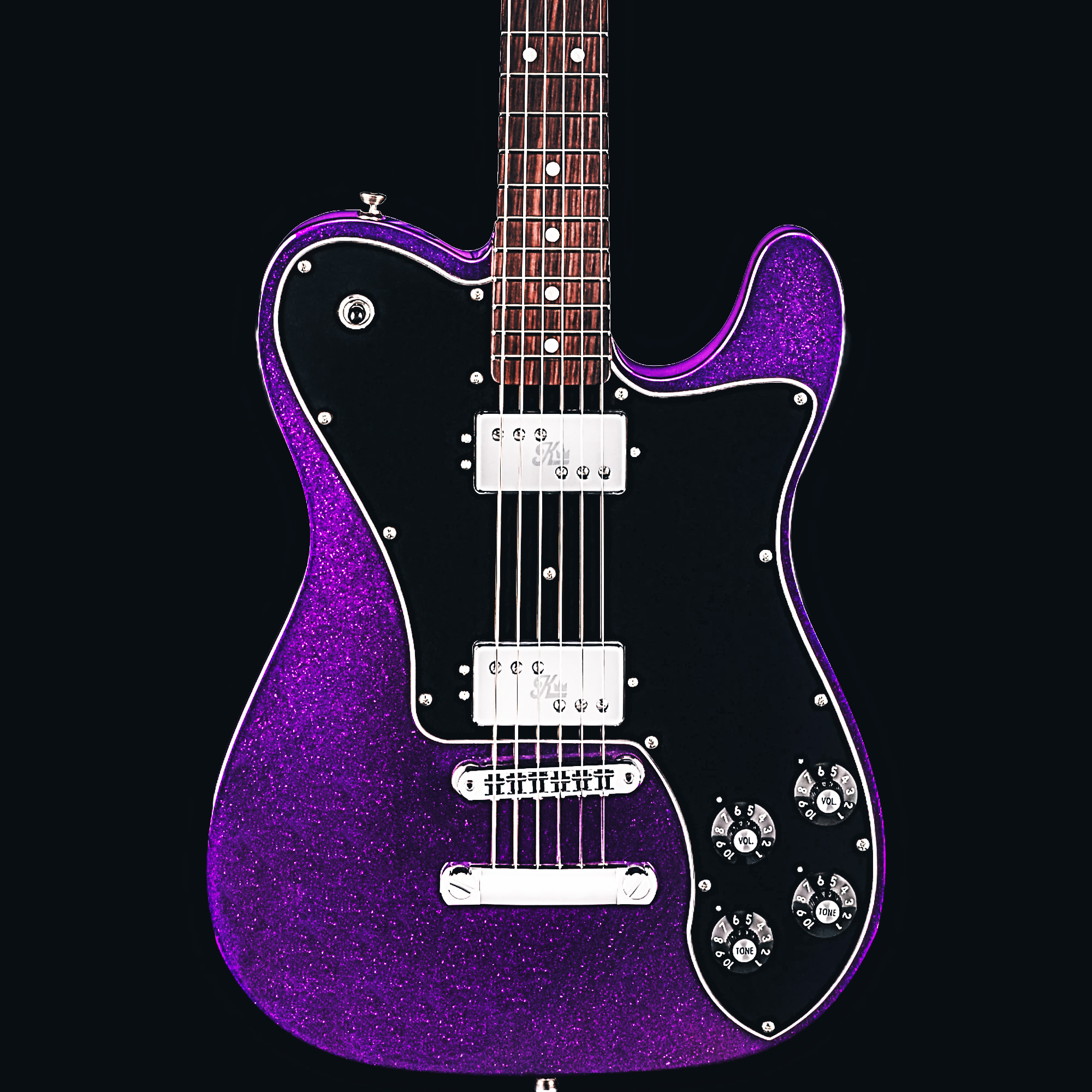
I have learned the hard way that bad photos kill sales. A blurry picture taken under fluorescent lighting makes even a pristine guitar look suspect. Take your photos near a window during the day. Show the front and back of the instrument, close-ups of any dings or scratches, and a clear shot of the serial number. If the item has a known issue like a crack in the finish or a loose input jack, photograph that too. Honesty in photos prevents returns and builds a reputation that keeps people coming back.
Descriptions should read like you are talking to a friend who plays. List the brand, model, year if you know it, and any modifications. Mention whether the original case is included. If you are selling a vintage piece, note the condition of the electronics and hardware. Avoid vague phrases like "great condition" without explaining what that means. Say "minor buckle rash on the back, no cracks, frets are level, electronics work perfectly." That kind of detail signals that you know what you are talking about. Buyers on platforms like Sweetwater or Guitar Center are used to thorough specs, so meeting that standard helps your listing compete.
Pricing Strategically Without Chasing the Bottom
Pricing an instrument too low raises suspicion. Pricing it too high means it sits unsold for months. I usually check sold listings on Reverb and eBay to see what the same model actually moved for, not just what people are asking. Factor in your own costs: the platform’s fee, payment processing through PayPal or Stripe, and shipping. If you offer free shipping, build that cost into the price. Buyers compare total cost, so a $400 guitar with $20 shipping might look worse than a $415 guitar with free shipping even though they cost the same. Small psychology matters.
Some sellers try to undercut everyone just to move inventory fast. That works if you need quick cash, but it trains buyers to expect discounts. If you have gear in excellent condition with original packaging and a clean history, price it near the top of the range and be patient. The right buyer will pay for confidence.
Shipping and Packaging Done Right
Shipping a guitar or a heavy synth requires more care than throwing it in a box with a few air pillows. I once received a vintage amp head with a broken corner because the seller used a thin box with no foam. The carrier, FedEx in that case, denied the claim because the packaging was insufficient. Learn from my mistake. For guitars, loosen the strings, pad the neck and body with bubble wrap, and use a box that fits snugly. Double-box if possible. For smaller items like pedals or microphones, wrap them individually and fill the void space so nothing shifts during transit.
UPS and USPS both offer insurance and tracking. I always buy insurance for anything over a few hundred dollars. The extra cost is small compared to the headache of a lost package. If you sell internationally, check customs regulations. Some countries have strict rules about wood imports or electronics. Zollner, for example, is a German company that handles customs brokerage for musical instruments, but using a service like that adds time and cost. Decide ahead of time whether you want to ship overseas or stick to domestic buyers.
Payment, Returns, and Building Trust
Most platforms handle payments through Stripe or PayPal. Both offer buyer and seller protection if you follow their guidelines. Ship to the address on the payment record, not an address the buyer messages you with. That single step prevents most chargeback disputes. If someone asks you to sell instruments online outside the marketplace’s payment system, decline. Scammers target new sellers who are eager to make a sale. Keep all communication inside the platform so there is a record if something goes wrong.
Returns are another area where clear policy helps. I offer a three-day inspection window. If the item arrives damaged or not as described, the buyer can return it for a refund minus shipping. If they simply change their mind, I ask them to pay return shipping. That policy matches what larger retailers like Music & Arts use, and it sets expectations upfront. You will still get the occasional person who tries to return something after a month, but a clear policy gives you grounds to say no.
When Selling Becomes a Real Revenue Stream
For some musicians, selling gear is a way to fund the next purchase. For others, it becomes a side business or even a full-time income. If you reach that point, treat it like a business. Keep records of every sale for taxes. Set aside money for fees and shipping supplies. Develop relationships with local shops and repair techs so you can source inventory that needs minor fixes. A guitar with a dead pickup can become a great deal if you know someone who can replace it for $40.
The ability to sell instruments online has opened up a global market that did not exist twenty years ago. You can list a rare bass from your living room and have someone in Tokyo buy it within hours. But that convenience comes with competition. The sellers who thrive are the ones who treat every listing as a chance to prove they are reliable. Good photos, honest descriptions, fair pricing, and careful shipping are not optional. They are the minimum.
Whether you use a dedicated music marketplace like Reverb or OohYeah, a general site like eBay, or your own store on Shopify, the fundamentals stay the same. Know your gear, know your costs, and respect your buyer. If you do that consistently, you will build a reputation that makes each sale easier than the last.